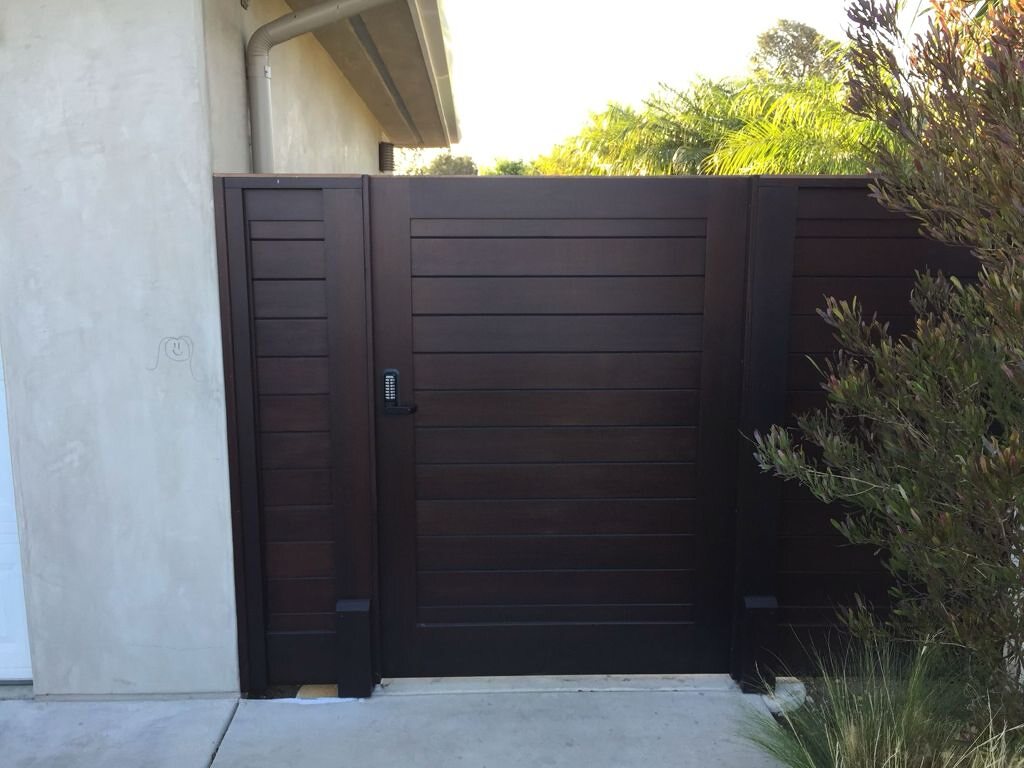
Maintenance begins with observation
An automatic gate is a moving system that combines structural steel or aluminum, hinges or wheels, an operator, controls, electrical power, and safety devices. A small mechanical change can increase the load on the motor and affect how the gate stops, reverses, or reaches its limits.
A short visual check each month can help identify changes before they become a service interruption.
Check the gate before checking the motor
The gate should move freely and remain properly supported. For sliding gates, inspect wheels, guide rollers, track or cantilever hardware, chain or rack alignment, and the full travel path. For swing gates, inspect hinges, brackets, stops, arm mounting points, and ground clearance.
- Remove leaves, rocks, trash, and vegetation from the travel area.
- Look for loose fasteners, cracked welds, sagging, or new contact points.
- Listen for a new scrape, impact, vibration, or change in motor sound.
Keep safety devices visible and aligned
Photo eyes and other monitored devices should be secure, clean, and aimed correctly. Landscaping, parked items, spider webs, dirt, impact, or water can affect their operation. Never bypass a device to keep a gate moving; the cause should be diagnosed and corrected.
Review access controls and manual operation
Test remotes, keypads, intercoms, exit devices, and any timer or hold-open schedule used at the property. Make sure authorized users know where the manual release is and how access will work during a power outage. Manual-release testing should follow the operator manufacturer's instructions.
When to schedule professional service
Schedule service when the gate is slower, noisier, uneven, difficult to move manually, stopping in the wrong place, striking a stop, or showing repeated safety-device faults. An inspection should consider the gate structure and moving hardware before adjustments are made to the operator.
- Do not enter the path of a moving gate to test it.
- Do not increase force settings to overcome a binding gate.
- Do not work inside an operator cabinet unless power is isolated and you are qualified to service it.
Official guidance and manuals
Use the instructions for your specific equipment. These independent resources offer additional safety and product information.